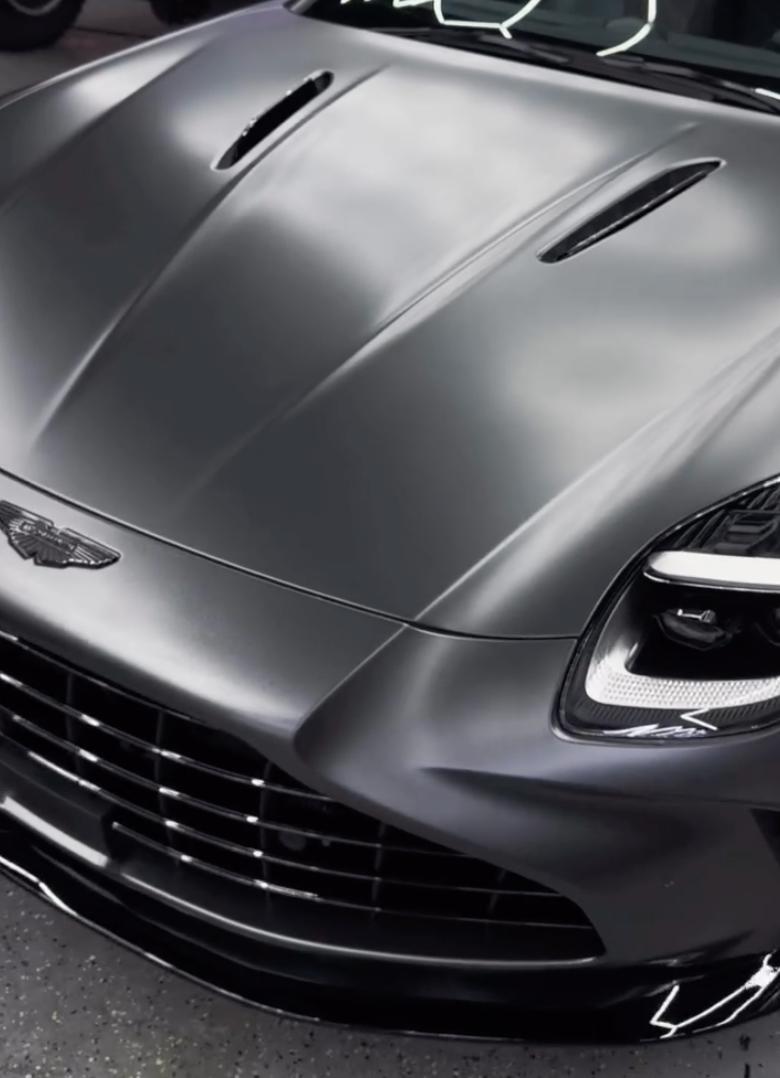
The honest answer: it depends on where your car sleeps
If you have read a vinyl wrap brochure, you have seen the same line we have: "5 to 7 years of durability." Some premium films get rated as high as 8 to 12 years on vertical panels. Those numbers are real — but they come from manufacturer testing in moderate climates, the kind with mild summers, low UV, and cars that are not parked outside in 95-degree heat from May through October.
Fort Lauderdale and Boca Raton are not moderate climates. Between the UV index, the heat soak on a black hood, the humidity, and the salt air rolling in off A1A, South Florida is genuinely one of the harder environments in the country for a wrap. So before you fall in love with a satin-black or color-shift finish, it is worth recalibrating those brochure numbers to what actually happens here.
At Wrap Me USA we install wraps every week for drivers across Broward and Palm Beach counties, so this is not theory — it is what we see come back through the shop. Here is the straight version, including a realistic lifespan table by parking situation, what fails first, and what you can do to push your wrap toward the long end of its range.
The real numbers: lifespan by where you park
The single biggest factor in how long your wrap lasts is not the brand, the color, or even the installer — it is sun exposure. A garage-kept car in Boca and a daily driver baking in an open lot off I-95 can be wearing the exact same film and reach end-of-life years apart. Here is how we would set expectations for a quality film (3M, Avery Dennison, and similar) installed correctly in South Florida.
| Parking situation | Gloss finish | Matte / satin finish |
|---|---|---|
| Garage-kept (out of sun most of the day) | 5–7 years | 4–6 years |
| Covered (carport, shaded spot, car cover) | 4–5 years | 3–5 years |
| Outdoor / full sun (open lot, street, driveway) | 3–4 years | 2–4 years |
A few honest caveats on that table. These ranges assume a premium cast film and a proper install — drop to a cheap calendared film and you can cut every number roughly in half. They also assume you are washing the car by hand and not letting bird droppings and bug splatter sit for weeks. And "end of life" rarely means the wrap falls off — it means it has faded, dulled, or started lifting at edges enough that you would want it redone. With the right care, plenty of our gloss wraps look great well past these windows.
Why South Florida is harder on wraps
It helps to understand why the local climate eats into a wrap's life, because every one of these factors points to something you can manage.
UV index
South Florida sits at a high UV index for most of the year. UV is what breaks down the pigments and the topcoat of a vinyl film over time — it is the same process that fades a beach towel or a patio cushion, just slower. A car that sees full sun for hours every day is absorbing far more UV than the same car under a carport, and that adds up to real years of difference.
Heat soak on horizontal panels
Here is the one people underestimate. On a hot Lauderdale afternoon, the air might be 92 degrees, but the surface of a dark hood, roof, or trunk in direct sun can climb well past that. Those horizontal panels take the worst of it because the sun hits them straight on. Heat soak accelerates everything — fading, edge lifting, adhesive stress — which is exactly why a wrap almost always shows its age on top first.
Humidity and salt air
Constant humidity and the salt-laden air near the coast — think A1A, the beaches, the Intracoastal — work at the edges and seams of a wrap, where the adhesive is most exposed. Salt is mildly corrosive and loves to find any lifted edge to creep under. If you park near the water, edge sealing and regular washing matter even more than they would inland.
What actually fails first
When a South Florida wrap starts to go, it follows a predictable pattern. Knowing it helps you catch problems early.
Horizontal panels. The roof, hood, and trunk almost always fade or dull before the doors and fenders. If the sides of your car still look fresh but the top looks tired, that is normal sun-exposure wear, not a defect.
Edges and lifting. The next thing to watch is edges — around door handles, mirrors, bumpers, and panel gaps. Heat and humidity stress the adhesive there, and once an edge lifts even slightly, dirt and salt accelerate it. Good edge prep at install is the single best defense.
Color fade. Bright reds, oranges, and some blues are more prone to visible fading under heavy UV. Blacks, grays, and whites tend to hold longer.
Matte going blotchy. Matte and satin finishes can develop uneven sheen or staining if they are not cleaned promptly — they hold contaminants more visibly than gloss. That is why we quote matte a touch shorter on the table above.
Film quality matters more than almost anything
If there is one place we will gently push back on a tight budget, it is the film itself. The difference between a premium cast vinyl and a cheap calendared one is not subtle in this climate.
Films like 3M 2080, Avery Dennison Supreme Wrapping Film, and specialty cast films from Inozetek and KPMF are engineered with UV-stable pigments, conformable cast construction, and air-release adhesives built to last. A budget calendared film might look identical on day one, but in South Florida sun it is realistically a 2-to-3-year product — it shrinks, fades, and lifts far sooner, and it often costs more to remove cleanly when it fails. Spending a little more on the film up front is almost always cheaper per year of service.
| Film tier | Examples | Realistic South Florida lifespan |
|---|---|---|
| Premium cast | 3M 2080, Avery Dennison Supreme, Inozetek, KPMF | 3–7 years (by parking) |
| Mid-grade cast | Entry cast lines | 2–4 years |
| Budget calendared | Generic / no-name film | 1–3 years |
We only install quality films, and on qualifying products we register the manufacturer warranty for you. You can see the finishes we offer on our vinyl wraps page.
How install quality affects lifespan
Even the best film fails early if it is installed poorly. The film is half the equation — the hands wrapping it are the other half. Three install details quietly decide how long your wrap lives:
Prep. A wrap is only as good as the surface under it. Dealership-grade decontamination, claying, and a clean panel mean the adhesive bonds the way it is supposed to. Skip that and you get contamination bubbles and early lifting.
Edge sealing and wrapping. Properly wrapping film into edges and around panels — rather than just trimming flat at the seam — gives water, heat, and salt far less to grab onto. This is where cheap installs come back to bite in our climate.
Post-heat. Cast films have "memory." Without proper post-heating, especially on curves and recesses, the film slowly tries to return to its flat shape and pulls away at the edges. Our certified installers post-heat every stretch and recess so the film stays put.
How to make a wrap last longer in South Florida
This is the part you control, and it makes a bigger difference here than almost anywhere else.
Park in the shade whenever you can. A garage is the gold standard. No garage? A carport, a shaded spot, or a breathable car cover all meaningfully extend your wrap's life by cutting UV and heat soak.
Wash by hand, gently. Use a pH-neutral soap, two buckets, and a soft mitt. Hand washing is easy on the film and lets you spot lifting edges early.
Avoid automatic brush car washes. The spinning brushes at tunnel washes are rough on wrap edges and can dull or scratch matte finishes. Touchless is okay occasionally; brushes are not.
Remove bug splatter and bird droppings fast. Both are acidic and can stain or etch a wrap if they bake on in the sun for days. A quick wipe the same day saves you a permanent mark.
Add a ceramic coating over the vinyl. This is the upgrade most South Florida owners do not know about. A ceramic coating can go right over a gloss or even some satin wraps, adding a UV-resistant, hydrophobic top layer that makes washing easier, helps repel contaminants, and gives the film extra protection against the sun. It is one of the most cost-effective ways to push a wrap toward the long end of its range here.
Wrap vs. color PPF for longevity
If your top priority is how long the finish lasts — not just the color options — it is worth knowing about color paint protection film. Color PPF is a thicker, more durable film than standard vinyl: it changes your color like a wrap but also protects the paint underneath from rock chips and minor scratches, with self-healing properties on many products. In South Florida conditions, quality color PPF often runs in the 8-to-10-year range — noticeably longer than vinyl.
The trade-off is cost and color selection: vinyl offers a far wider palette and a friendlier price, while color PPF is the premium, longest-lasting route. There is no single right answer — it depends on how long you plan to keep the look and your budget. If you want clear, this-car, this-climate guidance, that is exactly the kind of thing we walk through on a free quote.
Frequently asked questions
How long will MY wrap last?
The honest answer is that it depends mostly on where you park and what film you choose. A garage-kept car in Boca on a premium gloss film can see 5–7 years; a daily driver baking in full sun off I-95 on a budget film might be looking at 2–3. Tell us your parking situation and finish and we will give you a realistic range — no inflated brochure numbers.
Does a matte wrap last as long as a gloss wrap?
Usually a little less. Matte and satin finishes hold contaminants more visibly and can develop uneven sheen or staining if they are not cleaned promptly, so we quote them a touch shorter than gloss in the same parking situation. With diligent hand washing the gap narrows.
Can I ceramic coat a wrap to extend its life?
Yes, and in South Florida it is one of the best things you can do. A ceramic coating adds a UV-resistant, water-repellent top layer over a gloss or many satin wraps, making the car easier to clean and giving the film extra protection from sun and contaminants. See our ceramic coating service for details.
Will the wrap damage my paint after years in the sun?
A quality film, properly installed and removed before it is badly degraded, generally protects your paint rather than harming it — it shields the factory finish from UV and minor scrapes. The risk comes from cheap film or a neglected wrap left on long past its life, where the adhesive can become brittle and harder to remove. Using a premium film and removing it on time keeps your paint safe.
Is a wrap or color PPF better for South Florida?
If you want the widest color range at a friendlier price and plan to refresh the look in a few years, vinyl is excellent. If you want maximum longevity (often 8–10 years here) plus paint protection from rock chips, color PPF is the premium choice. Both work well in our climate — it comes down to budget and how long you want the finish to last.
Get a straight answer for your car
Every car, every color, and every parking spot is different, so the best lifespan estimate is one based on your actual situation. Our certified installers use dealership-grade prep and quality films, register manufacturer warranties on qualifying products, and we are proud of our 5.0★ Google rating from drivers across Fort Lauderdale and Boca Raton.
Ready to talk it through? Call us at (646) 240-9847 — we are open Mon–Fri 9–7 and Sat 9–5 — or request a free quote online. You can also reach us through our contact page or see recent work on Instagram @wrap.me.usa. We will give you an honest, this-climate answer — not a brochure number.
.jpeg)